 Cartilage
 Knees
Knees Hip
Hip Shoulder
Arthrosamid Injections and Physiotherapy for Knee Osteoarthritis Relief
11/03/26
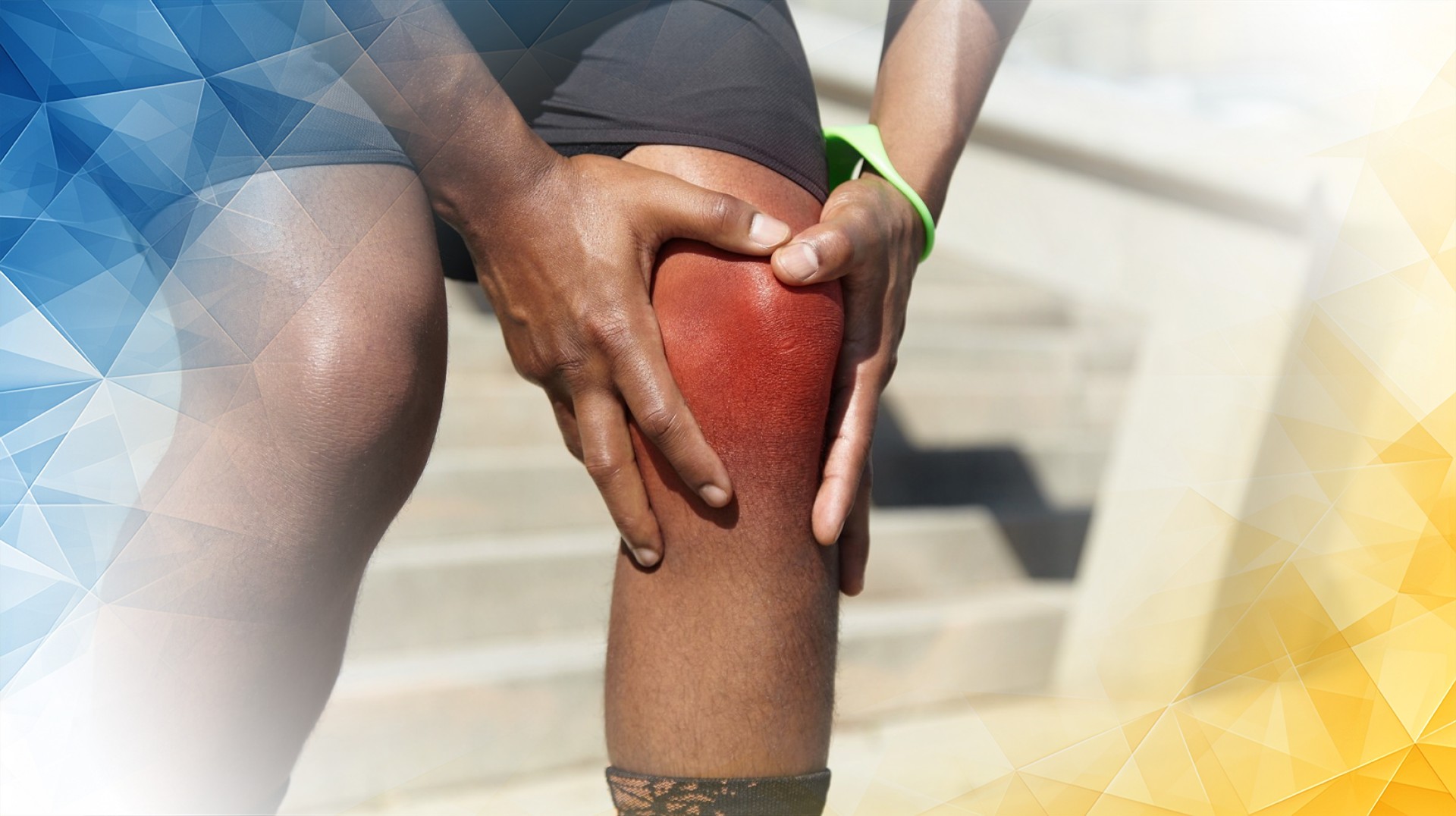

In sports medicine , the words we use matter—not just for clinicians, but for patients, too. Accurate terminology can transform the way injuries are diagnosed, treated, and explained. This is especially true when it comes to injuries of the anterior cruciate ligament (ACL), a crucial stabiliser inside the knee. While words like “ ACL rupture ” and “ ACL tear ” often get tossed around as if they mean the same thing, they represent different types of damage. Getting this distinction right isn’t just academic; it has real consequences for treatment decisions and recovery expectations. In this article, we’ll explain what the ACL does, unpack the key differences between a rupture and a tear, and show why using the right language makes a difference in both research and everyday clinical practice.
The anterior cruciate ligament , or ACL, is a strong band of tissue deep inside your knee , connecting the thigh bone (femur) to the shin bone (tibia). Its main job is to keep the knee stable during activities like running, jumping, or changing direction quickly. Think of it as your knee ‘s anchor, helping to prevent your shin from sliding too far forward or twisting in ways it shouldn’t.
ACL injuries can vary in severity. A “tear” generally refers to a ligament that has been overstretched or only partially torn, which means some fibres are still holding together. In contrast, a “ rupture ” means the ligament is completely torn apart, or snapped in two. Understanding this difference is important because it impacts knee stability and determines whether someone might need surgery or could benefit from a more conservative approach like physical therapy.
Thanks to advances in imaging—especially MRI scans —doctors can now see inside the knee to figure out whether the ACL is partially damaged or fully torn. Surgeons can also assess the injury directly during arthroscopy, using a tiny camera inside the joint.
It helps to think of the terminology as a spectrum: every rupture is a tear, but not every tear is a rupture. Partial tears may heal with rest, rehabilitation, and time. Complete ruptures, on the other hand, often make the knee too unstable and usually require surgery to restore function. Using precise language is critical: it helps doctors communicate clearly, sets correct expectations with patients, and ensures everyone is on the same page when choosing the best course of action.
When it comes to how these injuries happen, most ACL injuries are the result of non-contact events—such as sudden changes in direction, abrupt stops, landing awkwardly from a jump, or twisting the knee during play. Recognising the exact type of injury can also influence the urgency and type of treatment required, as studies have shown that some re-injuries happen soon after initial surgery, highlighting the importance of timing in rehabilitation.
The words used to describe an injury do more than fill out a chart—they shape how patients understand what’s happened to them and what’s coming next. Hearing the word “rupture” can sound frightening, signalling the need for surgery and a longer road to recovery. “Tear,” on the other hand, may seem less serious and might suggest a less invasive path.
If these terms get mixed up, it can have real consequences. Mislabeling a complete rupture as a minor tear could delay crucial surgery, raising the risk of more damage. Calling a small tear a rupture, meanwhile, could lead to unnecessary operations and longer downtime. Consistent and clear language doesn’t just help clinicians communicate—it builds trust, helps patients make informed decisions, and ensures care is aligned with the actual injury.
Understanding the mechanism of ACL injuries also plays a big role in developing specific prevention strategies, so it’s essential for both clinicians and researchers to speak the same language.
Knowing the difference between an ACL rupture and a tear is about more than being picky with words—it’s about supporting better care and recovery. A solid understanding of knee anatomy , paired with advances in diagnosis and treatment, only reinforces the importance of using the right terminology.
Moving forward, it’s crucial that researchers and healthcare providers use and promote standardised language when describing ACL injuries . This consistency helps everyone—doctors, patients, and scientists—work together with clarity and confidence. Ultimately, clear communication translates to better treatment choices and smoother, more effective recoveries. By recognising and using these distinctions, we can help everyone facing an ACL injury achieve the best possible outcomes.
London Cartilage Clinic is led by Professor Lee, a leading authority in knee injuries, offering advanced diagnostic tools and personalised treatment plans. The clinic uses the latest evidence-based therapies, providing expert care tailored to each individual. Patients benefit from Professor Lee’s extensive experience and commitment to clear communication.
Accurate distinction between an ACL tear and a rupture informs the choice of treatment and sets appropriate recovery expectations. Mislabeling can result in unnecessary surgery or delayed intervention. At London Cartilage Clinic, Professor Lee prioritises precise diagnosis, ensuring that patients receive the most suitable care based on their unique injury.
Professor Lee combines advanced imaging, in-depth assessment, and clear communication to ensure patients understand their condition fully. His transparent explanations build trust and empower patients to make informed decisions. The clinic’s dedication to clarity and standardised terminology supports smoother recoveries and improved patient satisfaction.
London Cartilage Clinic utilises advanced MRI scans and arthroscopic techniques to evaluate knee injuries with precision. Professor Lee’s expertise ensures that each patient receives a thorough assessment, leveraging state-of-the-art medical technology to recommend effective, personalised treatment options, reflecting the highest standards in modern sports medicine.
The clinic offers comprehensive care, guiding patients from initial diagnosis to rehabilitation. Professor Lee’s approach integrates expert clinical evaluation, contemporary physical therapies, and patient education. This supportive environment, combined with cutting-edge knowledge, helps patients feel reassured while working towards the best possible recovery.
All our treatments are selected to help patients achieve the best possible outcomes and return to the quality of life they deserve. Get in touch if you have any questions.
At London Cartilage Clinic, we are constantly staying up-to-date on the latest treatment options for knee injuries and ongoing knee health issues. As a result, our patients have access to the best equipment, techniques, and expertise in the field, whether it’s for cartilage repair, regeneration, or replacement.
For the best in patient care and cartilage knowledge, contact London Cartilage Clinic today.
At London Cartilage Clinic, our team has spent years gaining an in-depth understanding of human biology and the skills necessary to provide a wide range of cartilage treatments. It’s our mission to administer comprehensive care through innovative solutions targeted at key areas, including cartilage injuries. During an initial consultation, one of our medical professionals will establish which path forward is best for you.
Contact us if you have any questions about the various treatment methods on offer.
Legal & Medical Disclaimer
This article is written by an independent contributor and reflects their own views and experience, not necessarily those of londoncartilage.com. It is provided for general information and education only and does not constitute medical advice, diagnosis, or treatment.
Always seek personalised advice from a qualified healthcare professional before making decisions about your health. londoncartilage.com accepts no responsibility for errors, omissions, third-party content, or any loss, damage, or injury arising from reliance on this material. If you believe this article contains inaccurate or infringing content, please contact us at [email protected].